
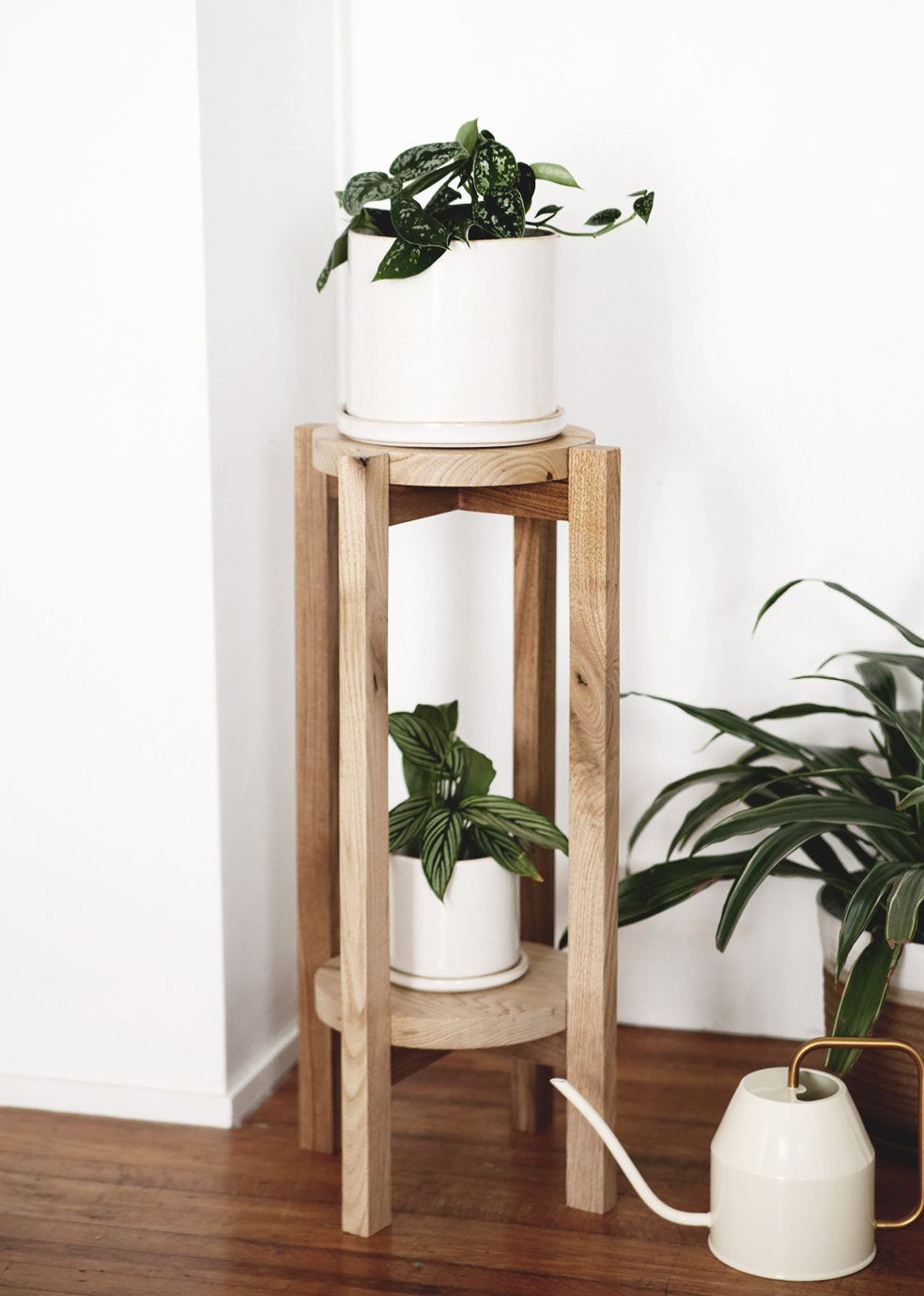
Profitable Wooden Plant Stand Designs That Always Sell
In the realm of home decor, wooden plant stands have emerged as a timeless and versatile addition, seamlessly blending functionality with aesthetic appeal. Their ability to elevate greenery, enhance space, and infuse a touch of nature into any setting has made them a sought-after commodity. For aspiring entrepreneurs and seasoned woodworkers alike, crafting and selling profitable wooden plant stand designs can be a rewarding endeavor. This article delves into the design principles, trends, and key considerations that ensure consistent sales and customer satisfaction.
Understanding the Market Demand
Before embarking on the design journey, it's crucial to understand the market dynamics driving the demand for wooden plant stands. Here's a breakdown of key factors:
Growing Popularity of Indoor Plants
The trend of incorporating houseplants into homes has skyrocketed in recent years. Plants offer numerous benefits, including air purification, stress reduction, and aesthetic enhancement. This growing interest translates directly into a demand for stylish and functional plant stands.
Emphasis on Sustainability and Natural Materials
Consumers are increasingly prioritizing sustainable and eco-friendly products. Wooden plant stands, crafted from renewable resources, align perfectly with this trend, appealing to environmentally conscious buyers.
Rise of Minimalism and Scandinavian Aesthetics
Minimalist and Scandinavian design principles have gained immense popularity, characterized by clean lines, natural materials, and a focus on functionality. Wooden plant stands that embody these aesthetics are highly sought after.
Key Design Considerations
Designing profitable wooden plant stands involves striking a balance between aesthetics, functionality, and cost-effectiveness. Here are key considerations:
Functionality and Versatility
- Height and Size: Offer a variety of heights and sizes to cater to different plant types and space constraints.
- Sturdiness and Stability: Ensure the stands are robust enough to support the weight of plants and pots.
- Mobility: Consider incorporating wheels or casters for easy movement.
- Drainage: Provide drainage holes to prevent waterlogging.
- Tiered Designs: Multi-tiered stands maximize vertical space and accommodate multiple plants.
Aesthetics and Style
- Material Selection: Use high-quality wood species like oak, walnut, or maple for durability and visual appeal.
- Finish: Offer a range of finishes, including natural, stained, painted, or distressed.
- Shape and Design: Explore geometric shapes, curved forms, or unique silhouettes to create distinctive designs.
- Embellishments: Consider adding subtle details like hand-carved accents, metal accents, or decorative hardware.
Cost-Effectiveness
- Material Optimization: Minimize waste by utilizing efficient cutting techniques and maximizing material yield.
- Simple Designs: Focus on designs that are easy to assemble and manufacture.
- Production Efficiency: Streamline production processes to minimize labor costs.
Profitable Wooden Plant Stand Designs
Here are some plant stand designs that consistently sell well:
Classic Mid-Century Modern Stand
This design features clean lines, tapered legs, and a simple geometric shape, making it versatile and timeless. It can be crafted in various wood species and finishes to cater to diverse tastes.
Rustic Ladder Stand
A ladder-style stand offers a unique and functional design, perfect for displaying a collection of small plants. The rustic aesthetic appeals to those seeking a touch of farmhouse charm.
Industrial Pipe Stand
This contemporary design incorporates metal pipes and wooden shelves, creating a blend of industrial and rustic elements. It's ideal for urban and loft settings.
Tiered Hanging Basket Stand
This design features multiple tiers that can accommodate hanging baskets, creating a lush vertical garden. The tiered layout maximizes space efficiency and adds visual interest.
Geometric Wooden Planter
Geometric planters in various shapes, such as hexagonal, triangular, or circular, offer a modern and minimalist aesthetic. They can be standalone or incorporated into multi-plant stands.
Marketing and Sales Strategies
Once you've crafted your plant stand designs, it's essential to market them effectively to reach your target audience. Here are some strategies:
Online Marketplaces
Platforms like Etsy, Amazon Handmade, and Shopify offer a wide reach and allow you to showcase your products to a global audience.
Social Media Marketing
Utilize Instagram, Facebook, and Pinterest to showcase your designs, share behind-the-scenes content, and engage with potential customers.
Local Craft Fairs and Markets
Participate in craft fairs and farmers' markets to connect with local customers and generate direct sales.
Collaborations and Partnerships
Collaborate with interior designers, plant retailers, or home decor stores to expand your reach and access new customer bases.
Conclusion
Crafting profitable wooden plant stand designs requires a blend of creativity, functionality, and market understanding. By focusing on key design considerations, exploring popular trends, and employing effective marketing strategies, you can build a successful business selling these versatile and sought-after home decor items. Remember, consistency, quality, and a genuine passion for woodworking will drive your success in this rewarding niche.


No comments:
Post a Comment
Note: Only a member of this blog may post a comment.