Creative ideas and plans for setting up your own woodshop and completing beginner-friendly DIY projects.

How to Add Personalized Details to Your Wooden Shoe Racks

How to Add Personalized Details to Your Wooden Shoe Racks

How to Add Personalized Details to Your Wooden Shoe Racks

Wooden shoe racks offer a practical and stylish way to organize footwear. However, they can often feel generic and lack a personal touch. By incorporating personalized details, you can transform your shoe rack into a unique and eye-catching piece that reflects your individual style and preferences.

Whether you prefer a rustic, modern, or eclectic aesthetic, there are numerous ways to customize your wooden shoe rack and make it truly your own. From decorative hardware to custom paint finishes, the possibilities are endless. This guide will provide you with creative ideas and step-by-step instructions to personalize your wooden shoe rack.

Adding Hardware for a Touch of Elegance

Replacing the standard hardware on your shoe rack can make a significant impact on its overall look. Consider these options:

Knobs and Pulls

Swap out the existing knobs or pulls with stylish alternatives that complement your home decor.

  • Vintage Knobs: For a rustic or farmhouse aesthetic, opt for vintage knobs with intricate designs or distressed finishes.
  • Modern Hardware: Choose sleek, minimalist knobs or pulls in brushed nickel, chrome, or black finishes to create a contemporary look.
  • Crystals or Glass Knobs: Add a touch of glamor with crystal or glass knobs that catch the light.

Hinges

If your shoe rack has doors or shelves, replace the hinges with decorative options. Consider:

  • Antique Hinges: Antique hinges with a weathered finish add a touch of vintage charm.
  • Brass Hinges: Brass hinges create a warm and sophisticated look, especially when paired with wooden knobs or pulls.
  • Black Hinges: Black hinges provide a modern and sleek contrast against lighter wood tones.

Enhancing the Finish with Paint and Stain

Transforming the finish of your wooden shoe rack is a simple yet impactful way to personalize it. Here are some ideas:

Painting

A fresh coat of paint can instantly change the character of your shoe rack. Consider these options:

  • Chalk Paint: Chalk paint provides a matte finish and is easy to apply. It's also suitable for distressing, creating a vintage or farmhouse aesthetic.
  • Glossy Paint: A glossy finish adds a touch of sophistication and makes the wood grain pop.
  • Two-Tone Paint: Paint the top of the shoe rack one color and the bottom another color for a unique and visually appealing look.

Staining

If you prefer to highlight the natural beauty of the wood, stain it with a color that complements your home decor.

  • Dark Walnut Stain: For a classic and sophisticated look, choose a dark walnut stain to create a rich, deep brown finish.
  • Cherry Stain: Cherry stain adds a warm, reddish hue that is ideal for traditional or rustic styles.
  • Light Oak Stain: A light oak stain preserves the natural grain pattern of the wood while adding a touch of warmth.

Adding Decorative Elements for Personalization

Incorporate decorative elements to enhance the aesthetic appeal and personalize your shoe rack. Here are some suggestions:

Decoupage

Decoupage is a fun and creative way to add patterns and textures to your shoe rack. Choose from patterned paper, fabric scraps, or even magazine clippings.

Stencils

Stencils allow you to create intricate patterns and designs on your shoe rack. Choose a stencil that complements your style, whether it's floral, geometric, or abstract.

Mirrors

Adding a mirror to your shoe rack can create the illusion of more space and reflect light, making the room feel brighter. You can use a small mirror on a door or a larger mirror on the front or back of the rack.

Lighting

Install LED strip lights inside the shoe rack or attach decorative pendant lights above the rack to create an inviting and stylish ambiance.

Creative Storage Solutions

Consider these creative storage solutions to enhance the functionality and aesthetic appeal of your shoe rack.

Hidden Compartments

Create hidden compartments within the shoe rack for storing smaller items such as jewelry or accessories. This can be achieved by adding shelves or drawers within the rack.

Built-in Seating

If you have enough space, consider building a small bench or seat into the shoe rack. This provides a convenient spot to put on and take off shoes, as well as additional storage beneath the seat.

Personalized Labels

Add personalized labels to the shelves or compartments to keep your shoes organized and easily accessible. You can use handwritten labels, printed labels, or even decorative tags.

Tips for Success

Follow these tips to ensure a successful personalization project:

  • Plan Ahead: Before you begin, visualize your desired look and plan out the details, such as the colors, patterns, and hardware you will use.
  • Prep the Surface: Clean the surface of your shoe rack thoroughly and sand it down to create a smooth, even surface for painting or staining.
  • Use Quality Materials: Choose high-quality paint, stain, hardware, and decorative elements to ensure a durable and long-lasting finish.
  • Practice First: If you are using new techniques, practice on a scrap piece of wood before applying them to your shoe rack.
  • Be Patient: Personalization takes time and effort. Allow ample time for each step to dry completely before moving on to the next step.

Adding personalized details to your wooden shoe rack is a fun and rewarding project that allows you to create a unique and stylish piece that reflects your individual style and preferences. By incorporating creative ideas and techniques, you can transform your shoe rack into a functional and aesthetically pleasing piece of furniture that will be a focal point in your home for years to come.

Share:

How to Sell Handmade Bath Trays Online and at Markets

How to Sell Handmade Bath Trays Online and at Markets

Soaking in Style: Selling Your Handmade Bath Trays Online and at Markets

Hey there, fellow bath-loving crafters! Ever dreamed of turning your passion for creating beautiful bath trays into a thriving business? You're in the right place! Let's dive into the exciting world of selling handmade bath trays, both online and at bustling markets. 🛁

The beauty of bath trays lies in their simple yet luxurious charm. They're a perfect blend of functionality and aesthetics, offering a relaxing sanctuary for bath-time enthusiasts. And the best part? The demand for handmade bath trays is soaring, making it an excellent niche for creative entrepreneurs like you.

Crafting Your Bath Tray Empire: The Essentials

Before we jump into the selling strategies, let's get your creative juices flowing. What makes your bath trays unique?

Choose Your Style and Materials

Here's where you can truly showcase your personal touch:

  • Rustic Charm: Think reclaimed wood, vintage hardware, and a touch of farmhouse flair. These trays evoke a cozy, natural vibe.
  • Modern Minimalist: Embrace clean lines, sleek materials like acrylic or metal, and a minimalist color palette. These trays exude sophistication.
  • Whimsical & Playful: Think colorful, patterned tiles, quirky handles, and playful details. These trays add a dash of personality to any bathroom.

Don't be afraid to experiment with different materials! You can use wood, metal, bamboo, resin, and even repurposed items like old crates or trays.

Design for Functionality

Remember, bath trays are meant to be enjoyed! Consider these practical aspects:

  • Size: A standard size that comfortably fits across most bathtubs is ideal.
  • Stability: Make sure the tray is sturdy and won't wobble or tip over.
  • Storage: Add compartments or shelves for books, candles, bath bombs, and other bath essentials.
  • Comfort: Think about the surface material - you want it to be comfortable and not too cold on the skin.

Showcase Your Skills

Don't be shy about highlighting your craftsmanship! Show off your unique techniques and attention to detail through:

  • Hand-painted details
  • Intricate wood carving
  • Customizable options (different sizes, colors, or engravings)
  • Sustainable materials (upcycled wood, bamboo, etc.)

Marketing Magic: Reaching Your Target Audience

Now it's time to get those bath trays into the hands of happy customers! Here's how to create a buzz around your brand:

Online Presence

Your online shop is your virtual storefront. Make it irresistible with:

  • Etsy: A haven for handmade and vintage goods. Optimize your product listings with eye-catching photos, detailed descriptions, and relevant keywords.
  • Shopify: Create a professional-looking online store with a seamless checkout experience.
  • Instagram: Visually captivating! Showcase your bath trays in beautiful, lifestyle-inspired photos. Use relevant hashtags and run contests to engage your audience.
  • Pinterest: A treasure trove for visual inspiration. Create boards that highlight your bath trays in various settings and styles.
  • Facebook: Build a community! Create a Facebook page where you can connect with potential customers, share behind-the-scenes glimpses, and run targeted ads.

Market Magic: In-Person Sales

Nothing beats the personal touch! Here's how to shine at markets:

  • Find the Right Markets: Target markets that align with your target audience (think craft fairs, home decor shows, or wellness events).
  • Captivating Display: Create a visually appealing booth that showcases your bath trays in a way that draws customers in.
  • Engage with Customers: Be friendly and approachable! Share your passion for crafting and answer questions about your products.
  • Special Offers: Offer market-exclusive discounts or promotions to encourage sales.

Pricing and Packaging: Make it Memorable

Pricing is an art form! Consider:

  • Your Costs: Include materials, time spent crafting, and any additional costs like packaging and shipping.
  • Market Research: Check out what similar bath trays are selling for online and at local markets.
  • Value Proposition: Highlight the unique features and craftsmanship of your bath trays to justify your price point.

Packaging is key to creating a delightful experience for your customers. Here are some ideas:

  • Gift-worthy Boxes: Use sturdy boxes with tissue paper or ribbon for a luxurious touch.
  • Personalized Tags: Add a handwritten tag with your logo or a thank you message.
  • Eco-friendly Materials: Consider using recycled or biodegradable packaging.

FAQs: Let's Answer Your Burning Questions

Let's face it, starting a business comes with its share of questions. Here are some of the most common:

What are the best materials for bath trays?

It really depends on your style and budget! Popular options include:

  • Wood: Durable, versatile, and comes in various finishes.
  • Bamboo: Sustainable, lightweight, and naturally water-resistant.
  • Metal: Modern and sleek, but can get cold.
  • Acrylic: Lightweight, easy to clean, and comes in a range of colors.

How do I prevent my bath trays from getting damaged?

Here are some tips:

  • Use a sealant: This protects the surface from water damage and stains.
  • Avoid harsh cleaners: Use mild soap and water to clean your bath trays.
  • Dry them thoroughly: Don't leave water standing on the tray, as this can lead to mold or warping.

How can I stand out from the competition?

Here are some ideas:

  • Offer unique customization options: Let customers personalize their trays with initials, dates, or special designs.
  • Collaborate with other artisans: Partner with a local candle maker or soap artisan to create complementary gift sets.
  • Develop a strong brand identity: Create a memorable logo, consistent color palette, and unique selling proposition.

What are some tips for taking great product photos?

Photography is key! Here are some tips:

  • Use natural light: Shoot your bath trays in a well-lit space, preferably near a window.
  • Focus on details: Capture the intricate details, textures, and finishes of your trays.
  • Style your photos: Create a visually appealing scene that showcases your bath trays in a real-life setting.

Remember, selling handmade bath trays is a journey of creativity, passion, and dedication. By staying true to your unique style, connecting with your audience, and continuously refining your business, you can transform your passion into a thriving success!

Share:

Profitable Wooden Toy Ideas for Beginners to Build and Sell

Profitable Wooden Toy Ideas for Beginners to Build and Sell

Profitable Wooden Toy Ideas for Beginners to Build and Sell

Looking for a creative and fulfilling way to make some extra cash? Building and selling wooden toys might be the perfect side hustle for you! Not only is it a fun and rewarding craft, but it also allows you to tap into the ever-growing demand for natural and eco-friendly toys.

But where do you start? With so many possibilities, choosing the right wooden toy ideas can be overwhelming. Don't worry, we're here to help! In this article, we'll explore some profitable wooden toy ideas that are perfect for beginners, from simple projects to slightly more complex ones.

Simple & Easy Wooden Toy Ideas for Beginners

If you're new to woodworking, starting with simple projects is crucial. These easy-to-build wooden toys are not only great for beginners but also have a high demand in the market.

1. Wooden Stacking Rings

Stacking rings are a classic baby toy that's loved by children of all ages. They're simple to make, requiring only basic woodworking skills and readily available materials. You can use different wood types and finishes to create unique and eye-catching designs.

Tips for making stacking rings:

  • Use a drill press to create consistent holes for the dowels.
  • Sand all edges thoroughly for a smooth finish.
  • Apply a non-toxic paint or stain to create a beautiful and safe product.

2. Wooden Blocks

Wooden blocks are another timeless toy that offers endless possibilities for imaginative play. They're easy to make and can be customized with different shapes, sizes, and colors. You can even add letters or numbers to create educational blocks.

Tips for making wooden blocks:

  • Use a table saw to cut precise squares or rectangles for the blocks.
  • Consider using a router to create rounded edges for safety and comfort.
  • Explore different wood species like maple, cherry, or walnut for unique aesthetics.

3. Wooden Puzzles

Simple wooden puzzles are a great way to challenge young minds while providing hours of fun. You can create jigsaw puzzles with different shapes and designs, or even try a shape puzzle with animal or geometric figures.

Tips for making wooden puzzles:

  • Use a jigsaw to cut the puzzle pieces precisely.
  • Be sure to use a strong adhesive to securely attach the pieces.
  • Paint or stain the puzzle pieces with bright colors or designs to make them more engaging.

Intermediate Wooden Toy Ideas

Once you've mastered the basics, you can venture into more complex projects that offer a wider range of possibilities.

4. Wooden Cars & Trucks

Wooden cars and trucks are always popular among kids. They're a great way to introduce children to the world of transportation while fostering their imaginations. You can create different types of vehicles, like classic cars, trucks, buses, or even race cars.

Tips for making wooden cars & trucks:

  • Use a band saw to cut intricate shapes and curves for the vehicles.
  • Add details like wheels, headlights, and windshields to make them realistic.
  • Use a scroll saw or a jigsaw for creating more intricate designs.

5. Wooden Dolls & Animals

Wooden dolls and animals are a classic and charming addition to any playroom. You can create simple figures, like teddy bears or farm animals, or even attempt more complex designs like articulated dolls or detailed animal sculptures.

Tips for making wooden dolls & animals:

  • Use a carving knife or a wood carving tool to create the desired shapes.
  • Consider using woodburning techniques to add details like eyes and mouths.
  • Paint or stain the figures to create unique and expressive characters.

6. Wooden Play Kitchens & Play Food

Play kitchens and play food are always a hit with kids. You can build a miniature kitchen with cabinets, a stove, and a sink, or focus on creating realistic-looking play food like fruits, vegetables, and snacks.

Tips for making wooden play kitchens & play food:

  • Use a variety of wood types for different parts of the kitchen, like plywood for the cabinets and solid wood for the stovetop.
  • Create play food using simple shapes and designs, and paint them with realistic colors.
  • Consider using magnets to attach the play food to the kitchen surfaces.

Advanced Wooden Toy Ideas

For those with more experience in woodworking, you can explore advanced projects that require more time and effort but also offer greater potential for profit.

7. Wooden Trains & Train Sets

Wooden trains and train sets are a perennial favorite among children, especially those who enjoy imaginative play. You can create simple engines and cars, or build elaborate sets with tracks, bridges, and tunnels.

Tips for making wooden trains & train sets:

  • Use a lathe to turn the wheels and axles for the trains.
  • Consider using a CNC router to create precise and intricate details for the tracks and structures.
  • Research different types of wood and finishes to create a visually appealing and durable product.

8. Wooden Playhouses & Play Furniture

Wooden playhouses and play furniture are a dream come true for many kids. You can create a charming dollhouse with multiple rooms, or design unique furniture pieces like beds, chairs, and tables.

Tips for making wooden playhouses & play furniture:

  • Use a variety of wood types and construction techniques to ensure stability and durability.
  • Focus on creating detailed designs and realistic features for the playhouse or furniture.
  • Consider adding paint or stain to create a colorful and inviting space for play.

Tips for Success

Now that you have some great wooden toy ideas, let's discuss some tips to help you succeed in your woodworking venture.

  • Start Small: Begin with a few simple projects to gain experience and build your skills before taking on more ambitious ones.
  • Focus on Quality: Use high-quality wood and finishes to create toys that are durable and safe for children. Invest in good tools and techniques to ensure the longevity of your products.
  • Pay Attention to Safety: Prioritize child safety when designing and building your toys. Ensure all edges are smooth, there are no sharp points or loose parts, and the paint or finish is non-toxic.
  • Consider a Niche: Focus on a specific type of wooden toy or target a specific age group to establish a unique brand and appeal to a specific customer base.
  • Embrace Creativity: Don't be afraid to experiment with different designs, colors, and techniques. The most successful toy makers are often those who bring their unique vision and creative flair to their products.
  • Market Your Toys: Create a strong online presence through social media platforms and a website or Etsy shop to showcase your products and reach potential customers.
  • Attend Craft Fairs & Markets: Participating in local craft fairs and markets is a great way to connect with customers directly and gain valuable feedback on your products.

Commonly Asked Questions

Here are some frequently asked questions about building and selling wooden toys:

1. What type of wood is best for making toys?

Different wood species have unique properties, making some more suitable for specific projects. Common choices for toys include:

  • Maple: Strong, hard, and durable, with a beautiful grain pattern.
  • Cherry: Strong, hard, and easy to work with, known for its rich reddish-brown color.
  • Walnut: A dense, strong wood with beautiful dark brown hues.
  • Pine: Softwood that is affordable and easy to work with. It's great for simple projects but might not be as durable as hardwood.

The best wood for your project depends on the design, desired aesthetics, and budget.

2. What kind of finish should I use for wooden toys?

The finish you use should be safe, durable, and non-toxic for children. Consider using:

  • Non-Toxic Paint: Available in a variety of colors and finishes. Choose a paint specifically formulated for children's toys.
  • Natural Oils: Like linseed oil or tung oil, are a good alternative to paint, providing a natural and durable finish.
  • Beeswax: A natural and safe option that creates a smooth and protective finish.

3. How can I price my wooden toys?

Pricing your toys depends on several factors, including the cost of materials, labor, time spent on the project, and your desired profit margin. Research competitor pricing and consider the value you're offering to determine a fair price.

4. Where can I sell my wooden toys?

There are many options for selling your handmade wooden toys:

  • Online Marketplaces: Etsy, Amazon Handmade, and Shopify are popular online platforms to reach a wider audience.
  • Local Craft Fairs & Markets: Connect directly with customers and showcase your products in person.
  • Local Stores: Contact independent toy stores or boutiques in your area to inquire about selling your toys.

Building and selling wooden toys is a rewarding and profitable venture that allows you to use your creativity and woodworking skills to bring joy to children. With the right ideas, a dedication to quality, and a bit of effort, you can turn your passion into a successful side hustle.

Share:

High-Demand Toolbox Organizer Designs for Woodworking Sellers

High-Demand Toolbox Organizer Designs for Woodworking Sellers

High-Demand Toolbox Organizer Designs for Woodworking Sellers

In the competitive world of woodworking, attracting customers and standing out from the crowd is crucial. Offering practical and innovative products, such as toolbox organizers, can be a game-changer for woodworking sellers. These organizers cater to the needs of both professional woodworkers and DIY enthusiasts, providing efficient storage solutions and enhancing the overall woodworking experience.

To maximize your sales and cater to the demands of your target audience, it's vital to understand the key features that make toolbox organizers highly sought after. This article will explore the essential design elements and functionalities that woodworking sellers should prioritize when developing their toolbox organizer offerings.

Understanding the Needs of Woodworkers

Before delving into specific design features, it's essential to understand the unique needs of woodworkers. Their toolboxes are their workshops on the go, containing a diverse range of tools that require organized storage for easy access and protection.

Essential Considerations for Woodworking Toolboxes

  • Variety of Tools: Woodworkers utilize a wide range of tools, from hand tools like chisels and planes to power tools like routers and sanders. Organizers must accommodate this diverse tool selection.
  • Tool Size and Shape: Tools come in various sizes and shapes, requiring organizers with compartments and dividers to keep them secure and organized.
  • Durability and Resistance: Woodworking tools are often heavy and require organizers that can withstand wear and tear, providing protection against impact and abrasion.
  • Accessibility: Easy access to tools is paramount during woodworking projects. Organizers should be designed for intuitive retrieval and efficient organization.
  • Portability: Many woodworkers work on various projects and locations, demanding organizers that are lightweight and easily transportable.

High-Demand Toolbox Organizer Designs

By understanding the specific needs of woodworking toolboxes, you can develop organizer designs that cater to these requirements and appeal to your target market.

Modular and Customizable Organizers

Modular organizers allow for flexible configuration based on individual tool requirements. These organizers often feature interchangeable compartments, dividers, and trays, enabling users to create a custom layout to suit their unique tool collection. The ability to customize the organizer provides users with a personalized and efficient storage solution.

Specialized Compartments for Power Tools

Power tools are essential for many woodworking projects, but their size and shape can pose storage challenges. Incorporating dedicated compartments for power tools, such as routers, sanders, and drills, ensures secure and organized storage. These compartments should be padded to protect delicate tools from impact and vibration.

Integrated Tool Holders and Rails

Integrating tool holders and rails into the organizer design provides a convenient and secure way to store essential woodworking tools. Holders can be designed for specific tools like chisels, planes, and screwdrivers, ensuring easy access and preventing them from becoming lost or damaged.

Magnetic Storage Features

Magnetic storage features can enhance the organization and accessibility of small metal tools, such as screwdrivers, wrenches, and hammer heads. Magnets can be integrated into the side walls, lids, or dividers of the organizer, allowing for easy attachment and retrieval of these essential tools.

Durable and Protective Materials

The choice of materials is crucial for ensuring the durability and longevity of toolbox organizers. Woodworking tools are often heavy and require sturdy materials to protect them from damage. Popular choices include:

  • Heavy-duty plastic: Offers a balance of durability, affordability, and lightweight construction.
  • Metal: Provides exceptional strength and resistance to impact, making it ideal for heavy tools.
  • Hardwood: Offers a natural and aesthetically pleasing option, but requires proper care to prevent damage.

Additional Features to Enhance Appeal

Besides the fundamental design elements, incorporating additional features can further enhance the appeal and functionality of toolbox organizers, making them more attractive to woodworking sellers.

Integrated Lighting Systems

For woodworkers who often work in dimly lit environments, integrated lighting systems can significantly improve visibility and accessibility. LED lights can be integrated into the organizer's lid or compartments, providing convenient illumination of tools without requiring external light sources.

Tool Inventory Management Systems

Integrating a tool inventory management system can enhance the efficiency and organization of woodworking toolboxes. This can include labeled compartments, removable tool lists, or digital inventory tracking systems, allowing users to quickly identify missing or misplaced tools.

Ergonomic Design and Comfort Features

Ergonomic design considerations can improve the user experience and reduce fatigue during prolonged work sessions. Features like comfortable handles, adjustable straps, and lightweight materials can enhance portability and ease of use.

Marketing and Branding Considerations

Once you have developed a high-demand toolbox organizer design, it's essential to market and brand it effectively to attract customers.

Highlighting the Benefits

Focus on highlighting the key benefits of your organizer, such as its ability to enhance organization, protect tools, improve efficiency, and save time. Use compelling imagery and testimonials to showcase the product's value proposition.

Targeted Marketing

Target your marketing efforts towards woodworking enthusiasts and professionals. Utilize social media platforms, woodworking forums, and online retailers frequented by your target audience.

Building Brand Recognition

Develop a strong brand identity for your toolbox organizers, including a distinctive logo, brand colors, and messaging. Consistency across all marketing materials will help build recognition and trust.

Conclusion

By understanding the specific needs of woodworkers and incorporating high-demand design features, woodworking sellers can create toolbox organizers that meet the needs of their target audience. Focusing on modularity, specialized compartments, integrated tool holders, durable materials, and additional features can enhance functionality and appeal. Effective marketing and branding strategies are essential for attracting customers and establishing a strong market presence. By prioritizing these factors, woodworking sellers can develop and market toolbox organizers that resonate with their target audience, driving sales and establishing their products as essential tools for woodworkers everywhere.

Share:

How to Make and Sell Wooden Magazine Racks That Appeal to Minimalists

How to Make and Sell Wooden Magazine Racks That Appeal to Minimalists

Crafting and Selling Minimalist Wooden Magazine Racks: A Guide to Success

In a world increasingly saturated with visual noise, minimalism has emerged as a powerful aesthetic philosophy, offering a sense of calm and clarity. This trend extends beyond interior design, influencing the demand for functional and visually appealing objects, including magazine racks. Recognizing this shift, you can tap into a burgeoning market by crafting and selling wooden magazine racks that embody minimalist principles. This guide will equip you with the knowledge and strategies to create and market these sought-after pieces.

Understanding Minimalist Design Principles

Before embarking on your crafting journey, it's crucial to understand the core tenets of minimalism. Minimalist design emphasizes simplicity, functionality, and clean lines. This translates to magazine racks characterized by:

Clean Lines and Geometric Shapes

Avoid intricate details or overly ornate designs. Opt for clean, geometric shapes like rectangles, squares, or simple curves.

Neutral Color Palette

Stick to natural wood finishes or subtle, earthy tones. Avoid vibrant or contrasting colors that can create visual clutter.

Emphasis on Functionality

Design the rack with practicality in mind. It should be easy to assemble, hold magazines securely, and be visually appealing.

Crafting Minimalist Wooden Magazine Racks

The process of crafting a minimalist wooden magazine rack is a blend of precision and creativity. Follow these steps:

Choosing the Right Wood

Select wood types known for their durability and natural beauty. Oak, walnut, cherry, and maple are excellent options. Consider the natural grain patterns and colors that complement your minimalist design.

Designing the Rack

Sketch out your design, considering the desired dimensions, number of compartments, and overall aesthetic. Remember to prioritize simplicity and clean lines. Utilize software like SketchUp or AutoCAD to create detailed blueprints.

Cutting and Shaping the Wood

Using precise measurements, cut the wood to the required sizes. Employ a table saw, miter saw, or band saw for accurate cuts. Smooth the edges with sandpaper to achieve a polished finish.

Assembling the Rack

Utilize woodworking joints like mortise and tenon, dovetail, or simple butt joints for a sturdy and visually appealing assembly. Use wood glue and clamps to ensure secure bonds. If necessary, use screws or nails for added support.

Finishing the Rack

Sand the entire rack with increasingly finer grits of sandpaper to achieve a smooth surface. Apply a natural wood finish like oil, wax, or lacquer to enhance the beauty and protect the wood. Allow the finish to cure completely before handling the rack.

Marketing Your Minimalist Magazine Racks

Once you've crafted your minimalist wooden magazine racks, it's time to connect with potential buyers. Here's a guide to effective marketing strategies:

Target Your Audience

Identify your ideal customer. Minimalist magazine racks appeal to individuals and families seeking a clean and uncluttered aesthetic. Target those who value functionality and appreciate natural materials.

Build an Online Presence

Establish a professional online store through platforms like Etsy, Shopify, or your own website. Showcase high-quality photographs that highlight the minimalist design and craftsmanship.

Utilize Social Media

Engage with your target audience on platforms like Instagram, Pinterest, and Facebook. Share visually appealing content featuring your magazine racks in various settings, emphasizing their minimalist appeal.

Attend Craft Fairs and Markets

Participate in local craft fairs and markets to connect with potential customers directly. Display your magazine racks in a visually appealing manner and offer personalized consultations.

Word-of-Mouth Marketing

Encourage satisfied customers to share their experiences with your magazine racks through online reviews and referrals. Offer discounts or incentives for referrals to foster growth.

Adding a Touch of Personalization

To enhance the appeal and distinctiveness of your minimalist magazine racks, consider adding personalized touches. These options cater to individual preferences and increase the perceived value:

  • Engraving: Add a subtle inscription, quote, or initials on the wood surface for a unique touch.
  • Custom Dimensions: Offer the option to customize the rack's dimensions to suit specific needs or spaces.
  • Material Choices: Allow customers to select their preferred wood species, ensuring a perfect match for their home decor.
  • Finish Options: Provide a range of finishes, including natural oils, waxes, or stains, to accommodate individual preferences.

Embracing the Minimalist Trend

By embracing the principles of minimalist design and crafting high-quality wooden magazine racks, you can tap into a growing market of individuals seeking functional and aesthetically pleasing objects for their homes. With the right approach, you can build a successful business selling minimalist wooden magazine racks that resonate with a discerning clientele. The path to success lies in combining your creativity with a deep understanding of minimalist design principles and effective marketing strategies.

Share:

Unique Wood Projects That Are Easy to Make and Sell

Unique Wood Projects That Are Easy to Make and Sell

Unique Wood Projects That Are Easy to Make and Sell

Hey there, fellow woodworkers and crafters! Are you looking for some unique and easy-to-make wood projects that you can actually sell? Well, you've come to the right place! This article is going to be your guide to crafting some seriously cool wooden creations that are sure to turn heads (and wallets) in your direction. We'll cover everything from trendy home decor to practical everyday items.

Home Decor That Will Wow

Let's start with some home decor projects. These are always popular, especially when they're unique and have that "handmade" feel.

Rustic Wall Art

This is a classic for a reason. People love the natural beauty of wood, and rustic pieces add a touch of warmth and character to any space. Get creative with the shapes and textures of your wood - use reclaimed wood, driftwood, or even branches. You can add dimension by incorporating other materials like metal, glass, or fabric. Just keep in mind that while rustic is a popular trend, you don't want to overdo it!

Charcuterie Boards

Charcuterie boards are hot right now! Everyone loves a good cheese and charcuterie spread, and a beautiful wooden board is the perfect way to present it. There are endless possibilities for design and size. Consider offering a variety of wood types, like walnut, maple, or cherry, and even add some decorative elements, like engraved initials or a unique shape.

Wooden Coasters

Coasters are a small but mighty project that's perfect for beginners. They're relatively quick to make, and you can experiment with different wood types, shapes, and finishes. You can also use decorative techniques like pyrography (wood burning) or inlay to add a touch of artistry. Think about offering sets of coasters with a matching tray or a unique theme.

Functional and Stylish

Now let's move on to some functional wood projects that are still stylish and eye-catching.

Wooden Utensil Holders

Every kitchen needs a good utensil holder, and a handcrafted wooden one is both practical and charming. Experiment with different shapes, like cylindrical or rectangular, and add a touch of personality with a decorative carving, paint, or stain. You can even make them with a built-in magnet to hold your favorite kitchen knives.

Keychains

Keychains are a great way to showcase your woodworking skills on a smaller scale. You can create simple, geometric shapes or go all out with intricate carvings and unique designs. Make sure to use durable and high-quality wood for long-lasting wear and tear.

Phone Stands

We spend a lot of time on our phones, so why not give them a stylish home? Phone stands are simple but useful projects. Use a nice piece of wood and experiment with different angles and designs. You could even make a phone stand that doubles as a charging station or a small jewelry organizer.

Tips for Success

You've got some amazing wood project ideas - now how can you ensure they're successful? Here are some tips to help you along the way:

  • Find Your Niche: What kind of wood projects are you passionate about? What kind of style do you want to create? Identify your niche and target your audience.
  • Research and Experiment: Don't be afraid to try new things! Explore different woods, finishes, and techniques. Practice makes perfect.
  • Showcase Your Work: Take high-quality photos of your projects and create a professional online presence. Use social media to showcase your work and connect with potential customers.
  • Price It Right: Consider your costs for materials, time, and skills. Factor in your profit margin, but also be competitive in the market.
  • Provide Excellent Customer Service: Go above and beyond for your customers. Be responsive to inquiries, package your products beautifully, and offer a satisfaction guarantee.

Commonly Asked Questions

Here are some questions that people frequently ask about selling wood projects:

Where can I sell my wood projects?

There are lots of options for selling your wood projects. Here are a few ideas:

  • Online Marketplaces: Etsy, Amazon Handmade, and Shopify are great places to start.
  • Craft Fairs and Shows: These are a great way to meet customers in person and get feedback on your work.
  • Local Shops: Partner with local boutiques or shops that carry handcrafted goods.
  • Your Own Website: This gives you complete control over your brand and allows you to build your own customer base.

How much can I expect to earn?

The amount you can earn depends on many factors, including the complexity of your projects, the type of wood you use, and your pricing strategy. It's important to do your research and understand the market value of your work.

Do I need any special skills or equipment?

Basic woodworking skills and equipment are essential. Start with the basics, like a saw, drill, sandpaper, and wood glue. As you progress, you can invest in more advanced tools as needed. There are also plenty of online resources and classes available to help you learn new skills.

Remember, crafting beautiful and functional wood projects is a journey, not a destination. Be patient, persistent, and enjoy the process. Who knows, maybe you'll even turn your woodworking hobby into a full-time business! Good luck!

Share:

Unique Christmas Woodworking Projects for Kids

Unique Christmas Woodworking Projects for Kids

Unique Christmas Woodworking Projects for Kids

Looking for a fun and festive way to spend time with your kids this holiday season? Why not try some woodworking projects? It's a great way to bond, unleash creativity, and create unique gifts for family and friends. Plus, it's a skill they can use for years to come.

But let's face it, the usual Christmas ornaments and wooden reindeer can get a little tired. So, this year, let's explore some truly unique woodworking projects that are perfect for kids. We're talking about projects that are both fun to make and sure to impress.

Ideas for Young Woodworkers

Don't worry if your little ones are just starting out with woodworking. We've got some super simple projects that are perfect for beginners. Let's get creative!

1. Candy Cane Holders

What's more festive than a candy cane? How about a candy cane holder! This project is super easy and only requires a few basic tools.

  • Get some scrap wood and cut it into small squares or rectangles.
  • Use sandpaper to smooth out the edges.
  • Let your little ones decorate the wood with paint, markers, or even glitter!
  • Once the paint is dry, they can drill a small hole in the center of the wood. (Always supervise kids when using power tools!)
  • Finally, they can thread a ribbon through the hole and tie a bow.

Voila! They've made a sweet and unique holder for their candy canes!

2. Personalized Christmas Coasters

Here's a practical and personalized gift idea. Kids can create their own coasters to add a festive touch to any holiday gathering.

  • Start with small pieces of plywood or even thicker craft foam.
  • Use a craft knife or a wood burner to carve simple shapes or letters on the coasters. (Make sure to supervise any carving or burning!).
  • Add some Christmas cheer by decorating the coasters with paint, glitter, or even small Christmas-themed embellishments like snowflakes or pine cones.
  • To make the coasters even more special, you can write names or personalize them with a special message.

Your little ones will be proud to present these handmade coasters to family and friends.

Projects for More Experienced Woodworkers

Got some more experienced young woodworkers in the house? Let's step up the challenge with some more complex projects.

3. Wooden Christmas Ornaments

Let's take a twist on the classic Christmas ornament. These wooden ornaments can be designed to be truly unique!

  • Cut out simple shapes from wood, like stars, hearts, or snowflakes.
  • Get creative with the design! Kids can use woodburning tools to create intricate patterns.
  • Add a personal touch with paint, glitter, or even collage techniques.
  • Drill a hole at the top and add a ribbon or string for hanging.

These handmade ornaments will be cherished keepsakes for years to come!

4. Miniature Christmas Villages

This project is perfect for kids who love to create miniature worlds. It's a bit more involved, but the results are stunning.

  • Help your kids plan a miniature village with small houses, a church, a town square, and maybe even a little Christmas tree.
  • Start by building the basic structures from wood. You can use pre-cut wood pieces or let kids try their hand at cutting and shaping wood to create their own unique buildings.
  • Decorate each structure with paint, glitter, or other festive embellishments.
  • Once all the buildings are ready, they can be arranged on a base made of wood or foam to create a charming Christmas village.

This project allows for a lot of creativity and can be as elaborate or as simple as your kids want. It's a great way to spark their imagination and bring a touch of holiday magic to your home.

Tips for Safe and Fun Woodworking with Kids

Woodworking can be a wonderful activity for kids of all ages, but it's important to prioritize safety. Here are some tips to keep in mind:

  • Start with Simple Projects: Choose projects that are age-appropriate and don't involve too many complicated steps or tools.
  • Supervise Carefully: Never leave kids unsupervised while they're using power tools or sharp instruments.
  • Use Proper Tools: Invest in quality, child-safe tools and make sure kids are using them correctly.
  • Emphasize Safety: Talk to your kids about safety rules and how to use tools properly.
  • Wear Safety Gear: Make sure kids are wearing safety glasses, gloves, and dust masks when appropriate.

With a little preparation and supervision, woodworking can be a fun and rewarding experience for the whole family!

Commonly Asked Questions

Here are some questions you might be thinking about:

Q: What kind of wood is best for kids' woodworking projects?

For beginners, softwoods like pine or cedar are great choices. They are easier to cut and sand. For more advanced projects, hardwoods like maple or cherry can be used.

Q: What tools are necessary for kids' woodworking projects?

For simple projects, a basic set of hand tools is sufficient. This includes a saw, hammer, screwdriver, and sandpaper. For more complex projects, you may need power tools like a drill, jigsaw, or sander. Always make sure the tools are age-appropriate and properly supervised.

Q: Where can I find woodworking plans for kids?

There are many resources available online and in libraries. Websites like Pinterest and Instructables offer a wide variety of plans for kids. Local libraries often have books with woodworking plans for kids.

Q: What are some tips for making woodworking fun for kids?

Make it a collaborative project! Let kids choose the project, the colors, and the design. Turn woodworking into a fun family activity by working together. Celebrate each step and enjoy the process!

Happy woodworking!

Share:

How to Install Floating Shelves on Drywall Without Studs

How to Install Floating Shelves on Drywall Without Studs

How to Install Floating Shelves on Drywall Without Studs

Floating shelves offer a stylish and space-saving solution for displaying decor, books, and other items. However, traditional installation methods often require finding studs, which can be a hassle and limit placement options. Fortunately, there are effective ways to install floating shelves on drywall without studs, allowing you to achieve your desired aesthetic while maximizing wall space.

Understanding Drywall and Stud Location

Drywall, a common wall covering, is typically attached to wooden framing, called studs, which are spaced 16 or 24 inches apart. These studs provide structural support and are ideal for securing heavy objects. However, finding studs in existing walls can be challenging, especially in older homes.

Methods for Installing Floating Shelves on Drywall Without Studs

While finding studs is ideal, several alternative methods enable secure floating shelf installation on drywall:

1. Toggle Bolts

Toggle bolts are a popular choice for attaching shelves to drywall without studs. These specialized fasteners consist of a threaded bolt with a spring-loaded toggle attached to the end. The toggle expands when the bolt is tightened, creating a secure anchor within the wall cavity.

Here's how to use toggle bolts:

  1. Determine the appropriate size and length of toggle bolt based on the shelf's weight and the thickness of the drywall. Refer to the manufacturer's recommendations for specific weight limits.
  2. Use a drill bit slightly smaller than the toggle bolt's diameter to create a pilot hole at the desired location.
  3. Carefully insert the toggle bolt into the hole.
  4. Push the toggle bolt through the hole until the toggle expands inside the wall cavity.
  5. Secure the shelf bracket or mounting plate to the toggle bolt using a nut or washer, tightening it securely.

2. Drywall Anchors

Drywall anchors are small plastic or metal devices that provide a secure hold in drywall by expanding or gripping the material. They are available in various sizes and weight capacities, suitable for different shelf sizes and loads.

Types of Drywall Anchors:

  • Plastic Anchors: These are commonly used for light-duty applications and are easy to install using a hammer or a screwdriver. They expand within the drywall to provide a secure hold.
  • Metal Anchors: Metal anchors offer greater strength and are suitable for heavier loads. They are typically installed using a drill and a screwdriver.

How to Install Drywall Anchors:

  1. Select the appropriate anchor size and type based on the weight of the shelf.
  2. Drill a pilot hole using the correct drill bit size for the anchor.
  3. Insert the anchor into the pilot hole and hammer or twist it in until it is flush with the drywall surface.
  4. Secure the shelf bracket or mounting plate to the anchor using screws.

3. Heavy-Duty Drywall Hooks

Heavy-duty drywall hooks are designed specifically for supporting heavier objects, including shelves. They feature a wide base that distributes weight evenly, providing a secure anchor within the drywall.

How to Install Drywall Hooks:

  1. Select the appropriate hook size and weight capacity for the shelf.
  2. Use a drill to create a pilot hole for the hook.
  3. Insert the hook into the pilot hole and hammer it securely into place.
  4. Attach the shelf bracket or mounting plate to the hook using screws.

Choosing the Right Installation Method

The best method for installing floating shelves without studs depends on several factors:

  • Weight of the Shelf: Lighter shelves can be supported with drywall anchors or plastic anchors, while heavier shelves require toggle bolts or heavy-duty drywall hooks.
  • Material of the Shelf: The shelf's material can influence the required support. For instance, shelves made of heavy wood may need sturdier anchoring than shelves made of lighter materials like metal or glass.
  • Location of the Shelf: The location of the shelf can impact installation methods. For example, if the shelf is near an electrical outlet, avoid using metal anchors to prevent potential electrical hazards.

Important Considerations for Installing Floating Shelves

1. Wall Strength: Assess the strength of your drywall. Older or thinner drywall may not provide enough support for heavier shelves. Consider using reinforcement techniques, like using wood blocks behind the drywall or opting for lighter shelf materials.

2. Shelf Weight: Accurately estimate the weight of the shelf and any items you plan to display. Overloading shelves can lead to failure and potential damage to your walls.

3. Leveling: Ensure that the shelf is level before securing it. Use a level to check the horizontal and vertical alignment of the shelf bracket or mounting plate.

4. Safety Precautions: Wear safety glasses and gloves during installation to protect your eyes and hands. Use a drill with a safety clutch to prevent overtightening screws.

Additional Tips

Here are some additional tips for successful floating shelf installation:

  • Plan Your Layout: Carefully measure the space and plan the placement of your shelves to create a visually appealing arrangement.
  • Use a Stud Finder: While not essential, using a stud finder can help you locate studs for additional support, particularly for heavier shelves.
  • Consider a Backer Board: For extra support, attach a piece of plywood or other backer board behind the drywall. This can provide a solid surface for attaching the shelves and prevent damage to the drywall.
  • Pre-Drill Holes: Pre-drilling holes for screws will prevent splitting the drywall and make installation easier.
  • Use a Screwdriver: Use a cordless drill with a torque limiter to prevent overtightening screws, especially when using toggle bolts or anchors.

By following these guidelines and using the appropriate installation methods, you can successfully install floating shelves on drywall without studs, achieving a stylish and functional design in your home.

Share:

How to Cut Dado Joints Accurately Using a Hand Saw

How to Cut Dado Joints Accurately Using a Hand Saw

How to Cut Dado Joints Accurately Using a Hand Saw

Dado joints are a type of woodworking joint that's incredibly strong and useful. They're essentially a groove cut into one piece of wood that allows another piece to fit perfectly into it. They're commonly used in furniture, shelves, and other projects where you need a strong and secure joint.

While you can cut dado joints with a router or table saw, it's completely possible to do it by hand with a simple hand saw. It takes some practice and patience, but once you master it, you'll have a valuable skill that can be used for a wide range of projects.

So, if you're ready to dive in, grab your hand saw, a few pieces of wood, and let's learn how to make those beautiful dado joints!

What You'll Need

Before we get started, you'll need a few essential tools and supplies. You'll be glad you have them on hand!

  • Hand saw: You'll need a good quality hand saw with a fine tooth count, like a tenon saw or a dovetail saw. These are perfect for making precise cuts.
  • Marking gauge: This tool helps you accurately mark the width of your dado. It's a lifesaver for consistent results.
  • Pencil: You'll use this for marking your cut lines on the wood.
  • Clamps: Clamps are crucial for securing the wood while you're cutting.
  • Wood: Choose a piece of wood that's suitable for your project.
  • Chisel: A chisel is helpful for cleaning up the bottom of the dado and for creating a nice, smooth finish.

Planning Your Dado Joint

Before you start cutting, it's important to plan out your dado joint carefully. Here are a few key considerations:

  • Determine the size of your dado: You'll need to know the width and depth of your dado before you start cutting.
  • Consider the wood: The type of wood you use can influence the ease of cutting. Hardwoods might require more effort.
  • Safety first: Always wear safety glasses and use caution when working with sharp tools.

Step-by-Step Guide to Cutting Dado Joints with a Hand Saw

Now let's get to the fun part - cutting the dado! Follow these steps carefully, and you'll be amazed at how well you can do it!

1. Mark Your Cut Lines

Start by using your marking gauge to mark the width of your dado on the wood. Make sure the gauge is set to the correct width and run it along the piece, marking the edges of the dado.

Next, use your pencil to draw lines along the edges of the marked area. These lines will guide your saw cuts.

2. Clamp Your Wood

Clamp the piece of wood securely to your workbench. This will prevent it from moving while you're cutting.

Make sure the clamps are positioned in a way that won't interfere with your saw cuts. You want to have a stable and secure work area.

3. Cut the Dado Walls

Now, it's time to start cutting. Position your saw along one of your pencil lines, and carefully begin sawing. Remember to use your saw in a smooth and controlled motion, making sure to follow your line.

Saw about halfway through the thickness of the wood, then flip the piece over. This will help you keep your cuts even. Repeat the process on the other side of the dado, sawing until you meet your initial cut.

4. Remove the Waste

After cutting the dado walls, you'll need to remove the waste wood. This is where a chisel comes in handy. Carefully chisel out the wood between your dado cuts, being sure to keep your chisel perpendicular to the wood to avoid any damage.

You can also use a small hand plane or a scraper to smooth out the bottom of the dado and get a really clean finish.

5. Check for Accuracy

Once you've removed all the waste, double-check the accuracy of your dado. Make sure the sides are straight and parallel, and that the depth is consistent. If you need to make any adjustments, use your chisel or scraper to carefully refine the dado until you're happy with it.

Tips for Success

Here are some tips that will help you get the most out of your hand-cut dado joints:

  • Practice: It takes practice to master the technique. Start with some scrap wood to get the hang of it before working on your project.
  • Sharpen Your Saw: A sharp saw is essential for clean and accurate cuts. Make sure your saw is properly sharpened before you start.
  • Go Slow: It's better to go slow and steady than to rush and risk making a mistake.
  • Use a Back Saw: A back saw has a heavier back that helps to keep it from flexing while cutting. This can make for more precise cuts, especially for deeper dados.
  • Start with a Small Pilot Hole: If you're cutting a dado in a particularly thick piece of wood, it's a good idea to drill a small pilot hole to help guide your saw. This will make the cutting process easier and less likely to result in a saw blade breaking.

Commonly Asked Questions

Here are some common questions that you may have about cutting dado joints:

1. What's the best saw to use for dado joints?

A tenon saw or dovetail saw is an excellent choice for hand-cut dado joints. The fine tooth count helps to make smooth, accurate cuts.

2. How do you make sure your dado joints are straight?

Using a marking gauge and a sharp saw is key. Also, it's important to saw straight and carefully, especially when you're cutting the sides of the dado. If you're concerned about straightness, you can use a straightedge or a combination square to guide your saw.

3. Can I cut dado joints with a hand saw if the wood is hard?

Yes, you can! However, it may require more effort and patience. A sharp saw and good technique are essential. If you're dealing with a very hard wood, consider using a Japanese pull saw, which is known for its sharpness and ease of cutting.

4. Is it really worth the time and effort to cut dado joints by hand?

Absolutely! While it's more time-consuming than using power tools, cutting dado joints by hand is a satisfying skill that can be incredibly rewarding. It also allows you to work on projects in situations where you may not have access to powered tools.

The key to success is to practice and be patient. You may not get perfect results right away, but with a little practice and some dedication, you can learn to cut beautiful dado joints by hand that will make your woodworking projects stand out!

Share:

Farmhouse-Style Picture Frames That Shoppers Love

Farmhouse-Style Picture Frames That Shoppers Love

Farmhouse-Style Picture Frames That Shoppers Love

The farmhouse aesthetic has taken the interior design world by storm, and for good reason. Its warm, inviting, and effortlessly chic charm makes it a popular choice for creating cozy and comfortable spaces. One of the key elements that contribute to this style's allure is the use of farmhouse-style picture frames. These frames, with their rustic yet refined details, add a touch of warmth and character to any room.

But with so many options available, how do you choose the perfect farmhouse-style picture frames for your home? This guide will explore the most popular farmhouse-style picture frames that shoppers love, offering insights into their features, materials, and overall appeal.

The Enduring Charm of Farmhouse-Style Picture Frames

The popularity of farmhouse-style picture frames stems from their ability to blend seamlessly with various design styles, from traditional to contemporary. Their rustic charm adds a touch of warmth and personality to any room, making them a versatile choice for showcasing cherished memories and artwork.

What Makes a Farmhouse-Style Picture Frame?

While there's no strict definition, farmhouse-style picture frames typically share some common characteristics:

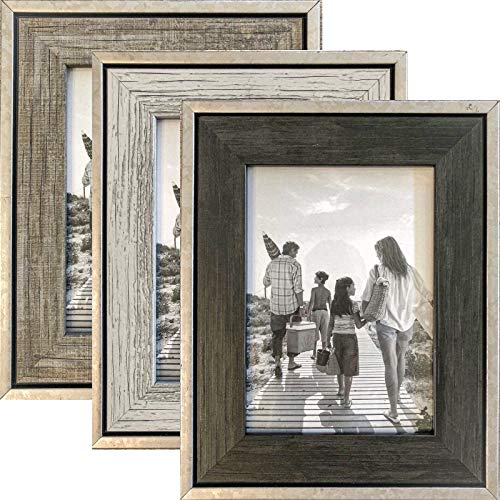
  • Natural Materials: Wood, especially reclaimed or distressed wood, is a cornerstone of farmhouse style. These frames often feature a rough-hewn look that adds to their rustic charm.
  • Simple Designs: Farmhouse frames tend to avoid ornate detailing. They often feature clean lines, minimalist shapes, and a focus on natural textures.
  • Rustic Finishes: Distressed paint, whitewash, or a natural wood finish are common choices for farmhouse frames. These finishes emphasize the frames' rustic character.
  • Neutral Colors: White, cream, gray, and shades of brown are popular choices for farmhouse frames. These colors blend seamlessly with various decor styles and create a sense of calm and serenity.

Popular Farmhouse-Style Picture Frame Styles

Here are some of the most popular farmhouse-style picture frame styles that have captured the hearts of shoppers:

Reclaimed Wood Frames

These frames embody the essence of farmhouse style. They're crafted from repurposed wood, often with visible knots and imperfections, which add to their unique character. Reclaimed wood frames offer a sustainable and eco-friendly choice while providing a touch of rustic charm.

Distressed White Frames

These frames combine the simplicity of white with the rustic appeal of distressing. The distressed finish adds a layer of vintage charm, making them perfect for adding a touch of farmhouse elegance to any space. They can also be easily customized with paint or embellishments.

Black and White Frames

Black and white frames offer a sophisticated and timeless option. They create a classic and elegant look that complements various decor styles. Their bold contrast adds visual interest and depth to your wall displays.

Wood and Metal Frames

These frames blend the warmth of wood with the industrial edge of metal. They offer a unique combination of rustic charm and contemporary appeal. The metal accents add a touch of modern flair while maintaining the farmhouse aesthetic.

Tips for Choosing Farmhouse-Style Picture Frames

Here are some tips to help you select the perfect farmhouse-style picture frames for your home:

  • Consider the Room's Style: Choose frames that complement the overall aesthetic of the room. If you have a more traditional farmhouse style, go for rustic wood frames. For a more modern farmhouse look, opt for clean-lined frames with metal accents.
  • Think About the Artwork: The frames should enhance the artwork they're showcasing. For bold, colorful artwork, choose simple frames in neutral colors. For delicate or vintage pieces, opt for ornate frames that complement their style.
  • Experiment with Sizes and Shapes: Don't be afraid to mix and match sizes and shapes to create a visually appealing gallery wall. A combination of rectangular and square frames can add visual interest and dimension.
  • Embrace Imperfections: The beauty of farmhouse style lies in its embrace of natural imperfections. Don't shy away from frames with knots, distressed finishes, or uneven edges. These details contribute to their unique charm.

By incorporating these tips and exploring the wide range of farmhouse-style picture frames available, you can create a warm and inviting atmosphere in your home that reflects your personal style and celebrates your cherished memories.

Share:

How to Use Free Woodworking Plans to Craft Functional Projects for Your Home

How to Use Free Woodworking Plans to Craft Functional Projects for Your Home

Unlocking the Potential of Free Woodworking Plans: Crafting Functional Projects for Your Home

In the realm of home improvement and DIY projects, woodworking stands as a timeless and rewarding pursuit. From simple shelves to intricate furniture pieces, woodworking offers a tangible way to express creativity and enhance the functionality and aesthetics of your home. The abundance of free woodworking plans readily available online provides a valuable resource for aspiring and experienced woodworkers alike. This comprehensive guide will delve into the art of utilizing free woodworking plans to craft functional projects for your home, equipping you with the knowledge and skills to transform your ideas into reality.

Navigating the World of Free Woodworking Plans

The internet serves as a treasure trove of free woodworking plans, catering to a wide range of skill levels and project aspirations. Websites, forums, and online communities dedicated to woodworking offer a vast collection of plans, providing detailed instructions, diagrams, and material lists.

Popular Resources for Free Woodworking Plans:

  • Ana White: Ana White's website is renowned for its user-friendly plans and detailed instructions, particularly for furniture projects.
  • Woodworking for Mere Mortals: This website offers a wide range of plans, covering various projects from beginner to advanced.
  • Free Plans.com: Free Plans.com boasts a comprehensive database of plans for woodworking, furniture, and other projects.
  • Pinterest: Pinterest serves as a visual treasure trove of woodworking inspiration, with numerous pins featuring free plans and project ideas.
  • Woodworking Forums: Online woodworking forums offer a platform for sharing plans, tips, and advice among enthusiasts.

Understanding the Essentials of Free Woodworking Plans

To effectively utilize free woodworking plans, it's crucial to understand the fundamental elements they typically encompass. Here's a breakdown of essential components:

Project Overview:

  • Project Title and Description: Provides a concise overview of the project's purpose and intended function.
  • Skill Level: Indicates the project's complexity and suitability for different skill levels, ranging from beginner to advanced.
  • Materials List: Outlines the specific materials required, including wood types, dimensions, hardware, and finishes.
  • Tools Required: Lists the essential tools needed for construction, such as saws, drills, sanders, and clamps.

Detailed Instructions:

  • Step-by-Step Guide: Provides a sequential outline of the construction process, including detailed explanations and illustrations.
  • Diagrams and Drawings: Often accompany the instructions, offering visual representations of the project's assembly and component placement.
  • Tips and Techniques: Offers valuable insights and suggestions for achieving optimal results and overcoming potential challenges.

Tailoring Free Plans to Your Needs and Preferences

While free woodworking plans provide a solid foundation, they are not set in stone. You can customize and adapt them to your unique needs and preferences, allowing you to personalize your projects further.

Customizing Dimensions and Materials:

  • Adjusting Dimensions: Modify the dimensions of the project to suit your specific space and requirements.
  • Choosing Alternative Materials: Substitute different wood types or materials, considering their aesthetic appeal and functional properties.

Adding Personal Touches:

  • Unique Finishes: Experiment with different stains, paints, or finishes to achieve a distinctive look that complements your home's style.
  • Decorative Elements: Incorporate decorative hardware, carvings, or inlays to enhance the visual appeal of your project.

Crafting Functional Projects with Free Woodworking Plans

By leveraging free woodworking plans, you can create a wide range of functional projects for your home, enhancing its functionality and aesthetics.

Storage Solutions:

  • Shelves: Construct shelves for organizing books, displaying decorative items, or adding storage space in various rooms.
  • Cabinets: Build cabinets to house appliances, store kitchenware, or add extra storage in closets or bathrooms.
  • Drawers: Craft drawers for organizing clothing, linens, or tools, maximizing storage space in chests, desks, or nightstands.

Furniture Pieces:

  • Tables: Create coffee tables, end tables, dining tables, or desks to meet your furniture needs.
  • Chairs: Construct chairs for your dining room, living room, or office, adding a personal touch to your seating arrangements.
  • Beds: Build a custom bed frame to match your bedroom decor and comfort preferences.

Home Decor:

  • Mirrors: Create decorative mirror frames to enhance the visual appeal of your walls.
  • Picture Frames: Craft custom picture frames to showcase your favorite photographs and artwork.
  • Decorative Boxes: Build decorative boxes for storing jewelry, trinkets, or other small items.

Beyond the Plans: Developing Your Woodworking Skills

While free woodworking plans offer valuable guidance, honing your woodworking skills is crucial for achieving quality results and venturing into more complex projects.

Join Woodworking Communities:

  • Online Forums: Connect with fellow woodworkers online, exchanging tips, advice, and project ideas.
  • Local Workshops: Attend woodworking workshops and classes to learn new techniques and skills.

Practice and Experimentation:

  • Start with Simple Projects: Begin with beginner-friendly plans to build a solid foundation in woodworking techniques.
  • Embrace Challenges: Gradually progress to more complex projects, pushing your skills and expanding your capabilities.

Conclusion: Unleashing Your Woodworking Potential

Free woodworking plans empower you to transform your home into a reflection of your personal style and craftsmanship. By leveraging the vast resource of available plans and honing your woodworking skills, you can embark on a rewarding journey of creating functional and beautiful projects for your home. Remember, the key lies in embracing the process, learning from each project, and continually expanding your woodworking knowledge and expertise. Let your imagination guide you, and create something truly special for your home.

Share:

How to Craft Wooden Lawn Chairs That Will Last for Years to Come

How to Craft Wooden Lawn Chairs That Will Last for Years to Come

Crafting Wooden Lawn Chairs That Will Stand the Test of Time

There's something incredibly satisfying about sinking into a comfortable, handcrafted wooden lawn chair. It evokes a sense of peace, reminiscent of summer days spent leisurely reading or sipping iced tea on the porch. But building a sturdy chair that stands the test of time requires more than just a hammer and nails. It demands careful planning, quality materials, and a touch of woodworking know-how.

So, are you ready to embark on this rewarding journey? Let's dive in!

Choosing the Right Wood for Your Lawn Chairs

The first step is selecting the right wood. Remember, your chairs will be exposed to the elements, so durability is paramount. Here are some excellent options:

Teak

Known for its natural oils that repel water and insects, teak is a top choice for outdoor furniture. While it's a bit pricier, its longevity and resistance to weathering make it a worthwhile investment.

Cedar

Cedar is another excellent choice, boasting a rich, aromatic scent that naturally repels insects. It's known for its durability and resistance to rot and decay. However, it might need occasional maintenance, like a coat of sealant.

Ipe

One of the hardest and densest woods, Ipe is exceptionally strong and durable. Its natural oils and high density make it extremely resistant to rot, insects, and weathering. This makes it a top choice for outdoor furniture that will last for generations.

Pressure-Treated Pine

A more budget-friendly option, pressure-treated pine has been infused with chemicals to protect it from rot and insects. While it's not as resistant to weathering as other options, it's a solid choice for those on a tighter budget.

Essential Tools for the Job

You'll need a few tools to build your wooden lawn chairs. Don't worry; you don't need a fully equipped woodworking shop. Here's a basic list:

  • Table saw: For cutting your wood to precise lengths and angles.
  • Miter saw: Ideal for making accurate crosscuts and angle cuts.
  • Drill: With various drill bits for creating pilot holes and fastening screws.
  • Screwdriver: For securing the chair's components.
  • Clamps: To hold pieces of wood together while gluing or screwing them.
  • Hand saw: For making rough cuts when necessary.
  • Measuring tape: For accurate dimensions.
  • Pencil: For marking cutting lines.
  • Safety glasses: Always protect your eyes while working with power tools.
  • Sandpaper: For smoothing surfaces and removing any imperfections.
  • Wood glue: To bond joints together.
  • Wood finish: For protecting the wood from weather and enhancing its appearance.

Choosing the Right Design

There are countless lawn chair designs out there. You can find simple, classic styles or more intricate, modern designs. Consider your skill level and the overall aesthetic you want to achieve.

Here are a few things to keep in mind when choosing your design:

  • Comfort: The chair should be comfortable to sit in for long periods.
  • Durability: The design should be sturdy enough to withstand weight and outdoor elements.
  • Simplicity: Start with a simpler design, especially if you're a beginner. As you gain experience, you can move on to more complex projects.

Building the Chair: A Step-by-Step Guide

Let's bring your lawn chair to life! Here's a basic outline:

Step 1: Cut the Wood

Using your saw, carefully cut the wood pieces to the exact dimensions specified in your chosen design plan. Be sure to double-check your measurements before cutting.

Step 2: Assemble the Frame

Begin by assembling the chair's frame, typically consisting of the legs, seat supports, and back supports. Use wood glue and screws to securely join these pieces. Clamp them together until the glue dries.

Step 3: Attach the Seat

Once the frame is assembled, attach the seat to the frame. Use wood glue and screws to secure the seat in place.

Step 4: Add the Backrest

Attach the backrest to the frame using wood glue and screws. Make sure it's positioned at a comfortable angle for reclining.

Step 5: Sand and Finish

Once the chair is assembled, carefully sand all surfaces to create a smooth finish. Then, apply your chosen wood finish to protect the chair from weather and enhance its appearance. Let the finish dry completely before using the chair.

Maintaining Your Wooden Lawn Chairs

To ensure your chairs remain beautiful and functional for years to come, regular maintenance is crucial. Here's a simple routine:

  • Clean regularly: Use a mild soap solution and a soft brush or cloth to clean dirt and grime from the chair. Avoid harsh chemicals.
  • Apply sealant: Depending on the type of wood and finish you've used, you might need to apply a sealant periodically to protect the wood from water damage and UV rays. Check the manufacturer's recommendations for your specific finish.
  • Check for loose screws: Occasionally, tighten any loose screws to keep the chair sturdy and secure.
  • Store indoors during harsh weather: If possible, store your chairs indoors during prolonged periods of rain, snow, or extreme temperatures to prolong their life.

Commonly Asked Questions

Ready to tackle this project? Here are some frequently asked questions that might pop up:

How long does it take to build a wooden lawn chair?

The time it takes to build a lawn chair depends on the complexity of the design and your experience. A simple chair could take a few hours, while a more intricate design might require several days.

What is the best type of wood for lawn chairs?

Teak, cedar, and Ipe are all excellent choices for outdoor furniture due to their natural resistance to weather and insects. Pressure-treated pine is a more budget-friendly option.

How do I prevent my wooden lawn chairs from rotting?

Choose a wood that's naturally resistant to rot or use pressure-treated pine. Apply a sealant to protect the wood from moisture and UV rays.

Do I need any special tools to build a lawn chair?

You'll need basic woodworking tools like a table saw, miter saw, drill, screwdriver, clamps, sandpaper, and wood glue.

Where can I find woodworking plans for lawn chairs?

You can find numerous free and paid plans online and in woodworking magazines. Many online communities also share detailed plans and tips.

Building wooden lawn chairs is a fulfilling and rewarding experience. With careful planning, quality materials, and a bit of effort, you can create comfortable and durable chairs that you'll enjoy for years to come. Happy crafting!

Share:

Fast-Selling Woodworking Projects for Craft Fairs

Fast-Selling Woodworking Projects for Craft Fairs

Fast-Selling Woodworking Projects for Craft Fairs

Craft fairs are a fantastic way to showcase your woodworking skills and connect with potential customers. But with so many vendors vying for attention, you need to create woodworking projects that stand out and sell quickly. By focusing on popular trends and practical designs, you can increase your chances of success at your next craft fair.

Popular and Practical Woodworking Projects

When choosing woodworking projects for your craft fair, consider the following popular and practical ideas:

Cutting Boards

Cutting boards are a staple in any kitchen and are always in demand. Offer a variety of sizes, shapes, and wood types to appeal to different tastes. Consider adding decorative elements like inlays or engravings for a more unique touch. Enhance the practicality with a juice groove for easy cleanup.

Serving Trays

Serving trays are another versatile and sought-after item. You can create them in various sizes and shapes, using different woods and finishes. Add handles for easy carrying and consider incorporating decorative elements like metal accents or engraved designs.

Wooden Signs

Wooden signs are perfect for adding a touch of rustic charm to any space. Create personalized signs for weddings, birthdays, or holidays, or offer more generic designs with inspirational quotes or farmhouse themes. These are excellent for customizing and adding unique touches.

Jewelry Boxes

Jewelry boxes are a classic woodworking project that always sells well. Choose a beautiful wood like walnut or cherry for a luxurious look. Add a velvet lining for extra protection and create intricate designs for the hinges and latches.

Wooden Toys

Wooden toys are a popular choice for parents who are looking for eco-friendly and durable options. Offer simple designs like blocks or puzzles, or create more elaborate toys like dollhouses or rocking horses. Consider using safe and non-toxic finishes for these projects.

Tips for Success at Craft Fairs

Beyond choosing the right woodworking projects, follow these tips to boost your sales at craft fairs:

  • High-Quality Materials: Use high-quality wood and finishes to create durable and beautiful pieces.
  • Unique Designs: Stand out from the crowd by creating unique and personalized designs.
  • Attractive Display: Create an eye-catching display that highlights your woodworking projects.
  • Competitive Pricing: Research prices for similar items and set competitive prices.
  • Excellent Customer Service: Be friendly and approachable, answer questions, and provide helpful advice.
  • By carefully planning and executing your strategy, you can make your next craft fair a resounding success.

    Share:

    DIY Farmhouse Wood Signs That Buyers Adore

    DIY Farmhouse Wood Signs That Buyers Adore

    DIY Farmhouse Wood Signs That Buyers Adore

    The charm of farmhouse decor is undeniable, and one of its most popular elements is the rustic wood sign. These charming pieces add personality, warmth, and a touch of vintage elegance to any space. The best part? You can easily create your own farmhouse wood signs with a little creativity, some basic supplies, and a touch of DIY spirit.

    Choosing Your Canvas: The Wood

    The foundation of your farmhouse wood sign is the wood itself. You have a plethora of options to choose from, each adding its own unique character to your creation.

    Reclaimed Wood:

    Reclaimed wood boasts a rich history and adds an authentic vintage touch. Look for salvaged barn wood, pallets, or even old doors, each bearing the marks of time and stories untold. Their natural imperfections and variations in color create a rustic, one-of-a-kind look.

    New Wood:

    If you prefer a fresh start, opt for new wood like pine or cedar. These woods are readily available, often pre-sanded and ready for your creative touch. You can stain or paint them to achieve a desired color or finish.

    Wooden Boards:

    For smaller signs, consider using individual wooden boards like plywood or MDF. These are affordable and easy to work with, allowing you to create simple yet impactful designs.

    Crafting the Perfect Message: Choosing Your Design

    Now comes the fun part: deciding on the perfect message for your farmhouse wood sign. Here are some popular themes to spark your creativity:

    Inspiring Quotes:

    Inspire and uplift with quotes about love, family, home, or life in general. Choose words that resonate with you or are meaningful to your intended recipient.

    Personalized Messages:

    Add a personal touch with names, dates, or special messages that celebrate milestones or special occasions.

    Farmhouse-Themed Sayings:

    Embrace the farmhouse aesthetic with sayings like "Welcome," "Home Sweet Home," "Live, Laugh, Love," or "Gather." Keep it simple and inviting for that timeless charm.

    Bringing It All Together: The Art of Lettering and Finishing Touches

    Once you have your wood and design, it's time to bring your vision to life. Here's how you can make your farmhouse wood sign truly special:

    Lettering Techniques:

    • Freehand Painting: This classic technique allows for a more rustic, hand-crafted look. Use stencils or practice beforehand for a polished finish.
    • Vinyl Stenciling: For precise and clean lettering, vinyl stencils are your best friend. Simply apply the stencil, paint, and peel it off for a perfect design.
    • Chalkboard Paint: Create a fun and versatile sign by using chalkboard paint. Write different messages, quotes, or even lists on your sign, adding a touch of playfulness to your decor.
    • Wood Burning: For a truly rustic and unique look, consider using wood burning techniques. This adds depth and character, highlighting the natural grain of the wood.

    Adding the Finishing Touches:

    • Distress the Wood: Achieve that well-loved, vintage look by sanding edges and creating subtle imperfections for a rustic feel.
    • Stain or Paint: Enhance the natural beauty of your wood with a stain, or paint it in a farmhouse-inspired color like white, gray, or light blue.
    • Hardware: Add a touch of elegance with decorative hardware like hinges, hooks, or knobs. This can also make your sign functional and unique.

    Creating Your Signature Farmhouse Style

    Remember, there are no rules when it comes to DIY farmhouse wood signs. Let your personality shine through! Experiment with different woods, styles, colors, and finishes to create pieces that truly reflect your taste and add a touch of charm to your home or as a delightful gift for friends and family.

    Share:

    How to Build and Sell Wooden Outdoor Benches with an Industrial or Rustic Look

    How to Build and Sell Wooden Outdoor Benches with an Industrial or Rustic Look

    Crafting and Selling Rustic and Industrial Wooden Outdoor Benches: A Guide for Beginners

    Hey there, fellow woodworkers and aspiring entrepreneurs! Have you ever gazed upon a beautifully crafted wooden bench in a park or garden and thought, "I could make that!" Well, guess what? You totally can. Building and selling wooden outdoor benches with an industrial or rustic look is a fun and rewarding side hustle, and I'm here to guide you through the process.

    From sourcing materials to marketing your creations, this guide will equip you with everything you need to get started. So grab your woodworking tools, put on your thinking cap, and let's dive into the world of crafting and selling rustic and industrial benches!

    Defining Your Style: Industrial vs. Rustic

    Before you start hammering and sawing, it's essential to define the aesthetic you want to achieve. Are you drawn to the sleek, modern lines of industrial design or the warm, inviting charm of rustic furniture? Let's break down these styles:

    Industrial Benches

    Industrial benches typically feature clean lines, exposed metal elements, and a focus on functionality. Think reclaimed wood with metal accents, like hairpin legs or pipe fittings. This style exudes a modern, urban vibe and complements contemporary outdoor spaces.

    Rustic Benches

    Rustic benches, on the other hand, embrace the natural beauty of wood. Think weathered wood with knots and imperfections, often paired with natural elements like leather straps or wrought iron accents. Rustic benches create a cozy, farmhouse feel and blend beautifully with traditional gardens.

    Sourcing Materials: Finding Your Perfect Wood

    Now that you've chosen your style, it's time to source the perfect wood. The type of wood you select will significantly impact the look, durability, and price of your benches. Consider these options:

    Reclaimed Wood

    Reclaimed wood adds character and sustainability to your benches. It's often salvaged from old barns, sheds, or even pallets. This wood comes with its own history and unique imperfections, making each piece truly one-of-a-kind. Look for reclaimed hardwood like oak, pine, or cedar.

    New Lumber

    For a cleaner look, choose new lumber. Hardwoods like oak, maple, or walnut are durable and resistant to weathering. Softwoods like pine or cedar are less expensive but may require more maintenance. Consider the type of wood based on your desired style and budget.

    Design and Construction: Putting Your Bench Together

    With your materials in hand, it's time to bring your bench to life. Here's a step-by-step guide:

    Step 1: Sketch Your Design

    Start by sketching out your bench design on paper. Consider the length, width, and height. Determine the shape of the seat and backrest, and think about any additional features you want to incorporate, like armrests or storage compartments.

    Step 2: Cut and Prepare the Wood

    Use your saw to cut the wood to your desired dimensions. Be sure to measure twice and cut once! Sand the wood surfaces smooth for a polished look and to prevent splinters.

    Step 3: Assemble the Frame

    Build the frame of your bench using strong joints like mortise and tenon, dowel joints, or pocket holes. For an industrial look, use metal brackets or pipe fittings to connect the frame. Secure the joints with glue and screws.

    Step 4: Attach the Seat and Backrest

    Attach the seat and backrest to the frame. You can use screws, bolts, or even traditional wood joinery techniques. Consider adding some padding to the seat for extra comfort.

    Step 5: Finishing Touches

    Add your finishing touches! For an industrial look, leave the wood with a natural or oiled finish. For a rustic aesthetic, consider staining or painting the wood in warm, earthy tones. You can also add metal accents like hairpin legs or pipe fittings to enhance the industrial feel.

    Marketing and Selling: Reaching Your Audience

    You've crafted a beautiful bench, but now it's time to find a buyer. Here are some effective marketing strategies:

    1. Online Marketplaces

    List your benches on online marketplaces like Etsy, Facebook Marketplace, or Craigslist. You can reach a wide audience and connect with potential buyers who are actively searching for unique furniture.

    2. Social Media

    Create a dedicated Instagram or Facebook page to showcase your benches. Post high-quality photos and videos, highlighting the craftsmanship and unique features of each piece. Engage with your followers and use relevant hashtags to reach a wider audience.

    3. Local Craft Shows

    Participate in local craft shows and farmers markets. This allows you to connect with customers in person, showcase your work, and build relationships. Offer discounts or exclusive deals to incentivize sales.

    4. Collaborate with Local Businesses

    Partner with local businesses like garden centers, home decor stores, or cafes. This can provide valuable exposure and drive foot traffic to your products. Offer commission-based sales or consignment arrangements.

    Pricing Your Benches: Finding the Right Value

    Determining the right price for your benches is crucial. Consider the following factors:

  • Cost of materials: Factor in the price of wood, hardware, finishes, and any other materials used.
  • Time and effort: Account for the hours you spend designing, constructing, and finishing your benches.
  • Market value: Research similar benches sold online and in local stores to get a sense of the current market price.
  • Profit margin: Aim for a profit margin that covers your costs and allows you to reinvest in your business.
  • Don't be afraid to start with a higher price and adjust it based on customer feedback. Remember, quality craftsmanship and unique design deserve a fair price.

    Tips for Success: Building a Lasting Business

    Here are some additional tips to help you build a successful business selling rustic and industrial wooden benches:

  • Focus on quality: Use durable materials, meticulous craftsmanship, and high-quality finishes to create benches that will last for years to come.
  • Offer customization: Allow customers to personalize their benches with different wood finishes, sizes, or even custom engravings. This adds a unique touch and creates a more personal connection.
  • Provide excellent customer service: Respond promptly to inquiries, address concerns, and offer a positive experience for every customer. This fosters repeat business and builds trust.
  • Continuously improve: Stay updated on design trends, experiment with new techniques, and strive to refine your craft. This ensures that your products remain fresh and appealing to customers.
  • Have fun: Building and selling wooden benches should be an enjoyable experience. Embrace the process, let your creativity flow, and enjoy the satisfaction of creating beautiful and functional pieces of furniture.
  • Building and selling wooden outdoor benches can be a rewarding and lucrative side hustle. By combining your woodworking skills with a passion for creating unique pieces, you can tap into a thriving market and turn your hobby into a successful business.

    Share:

    人気の投稿

    Blog Archive

    Powered by Blogger.

    ブログ アーカイブ